

The jewellery industry has long been associated with glamour and luxury, but beneath the surface lies a complex web of supply chains that can sometimes involve unethical practices. From mining to manufacturing, the journey of a single piece of jewellery can impact countless lives and ecosystems.
Understanding Ethical Sourcing
What is Ethical Sourcing?
Ethical sourcing refers to the process of ensuring that products are obtained in a responsible and sustainable way, considering both environmental and social impacts. In the context of jewellery, this means sourcing precious metals and gemstones in ways that do not harm communities or the environment. Ethical sourcing also involves fair labour practices, ensuring that workers receive fair wages and work in safe conditions.
The Social and Environmental Impact
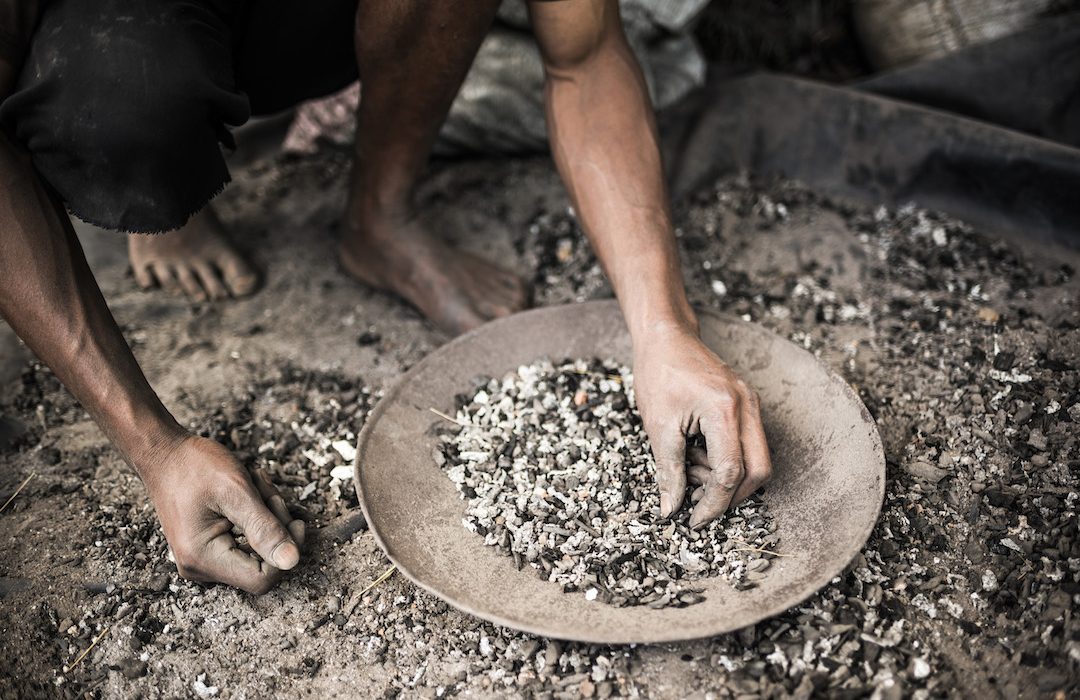
The traditional jewellery supply chain can often involve exploitation and environmental degradation. Mining operations in particular can lead to deforestation, water pollution, and hazardous working conditions. Ethical sourcing aims to mitigate these impacts by promoting sustainable practices and ensuring transparency in the supply chain. Consumers today are increasingly aware of these issues and are demanding greater accountability from brands.
The Kimberley Process: A Case Study
What is the Kimberley Process?
The Kimberley Process Certification Scheme (KPCS) was established in 2003 to prevent “conflict diamonds” from entering the mainstream diamond market. Conflict diamonds, also known as blood diamonds, are those mined in war zones and sold to finance armed conflict against governments. The Kimberley Process aims to certify the origin of rough diamonds to ensure they are conflict-free.

Effectiveness and Challenges
While the Kimberley Process has been highly successful in reducing the flow of conflict diamonds, it has faced criticism for its limitations. Some argue that the process does not address other ethical issues such as worker exploitation and environmental degradation. Despite these challenges, the Kimberley Process remains a crucial step towards more ethical sourcing in the diamond industry.
Ethical Sourcing Practices: Global Examples
De Beers Building Forever Initiative
De Beers’ “Building Forever” 2030 goals aim to create a positive impact across four key areas: leading ethical practices, partnering for thriving communities, protecting the natural world, and accelerating equal opportunity. These ambitious objectives include achieving carbon neutrality across their operations, supporting 10,000 women entrepreneurs, ensuring that all their diamonds are ethically sourced, and preserving critical biodiversity areas. By 2030, De Beers envisions a transformed diamond industry that fosters sustainable development, empowers local communities, and safeguards the environment for future generations.

Fairmined Gold Certification
Fairmined Gold is a certification program that ensures gold is mined in a socially and environmentally responsible manner. It focuses on supporting artisanal and small-scale mining communities, providing them with better trading conditions and ensuring they follow strict environmental standards. Fairmined certification helps consumers identify gold products that contribute positively to mining communities.
Responsible Jewellery Council (RJC)
The Responsible Jewellery Council is a standards-setting organisation that promotes responsible ethical, human rights, social, and environmental practices throughout the jewellery supply chain. RJC certification covers a wide range of issues, including labour rights, environmental impact, and ethical business practices. Companies that adhere to RJC standards demonstrate a commitment to sustainability and ethical sourcing.

Bell & Brunt Jewellers: A Model of Ethical Sourcing
A Legacy of Integrity
Established in 1920, Bell & Brunt has a long-standing reputation for integrity and craftsmanship. We are committed to sourcing materials from suppliers who adhere to strict ethical standards, ensuring that their jewellery is not only beautiful but also responsibly made.
Transparent Supply Chain
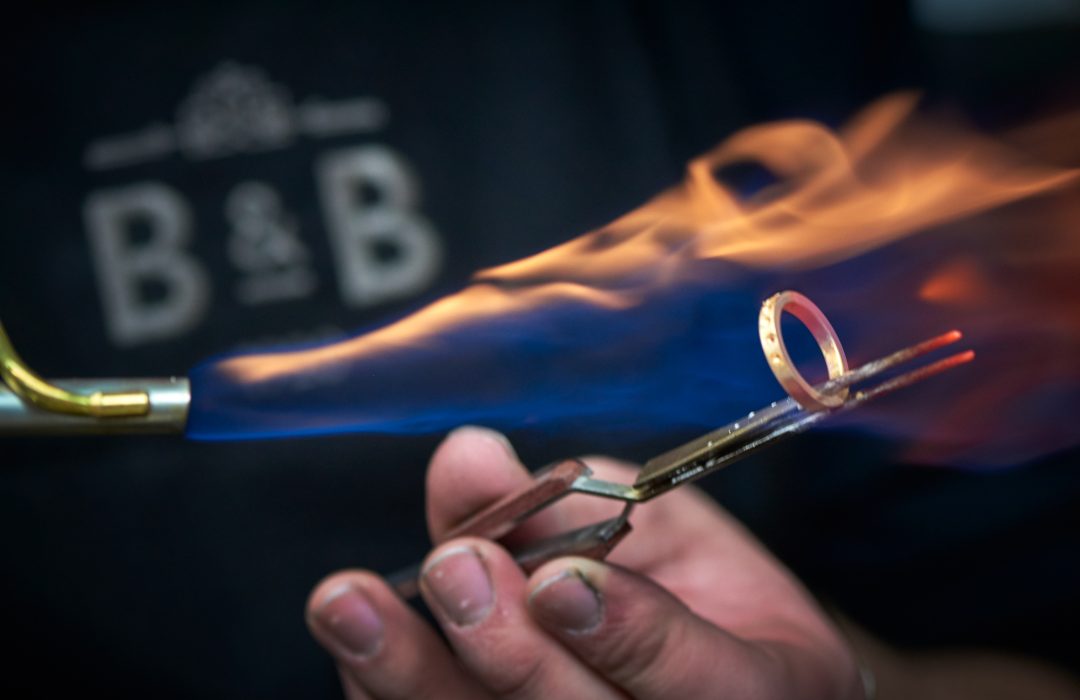
Bell & Brunt prides itself on transparency. This commitment to openness helps build trust and reassures customers that their custom jewellery designs support ethical practices. By choosing suppliers who follow ethical guidelines, Bell & Brunt contributes to the well-being of mining communities and the preservation of the environment.
The Consumer's Role in Ethical Sourcing
Making Informed Choices
Consumers play a crucial role in promoting ethical sourcing by making informed choices. By prioritising purchases from brands that commit to ethical practices, consumers can drive demand for responsibly sourced jewellery.

Supporting Ethical Brands
Supporting ethical brands not only encourages more companies to adopt responsible practices but also contributes to positive change in the industry. Ethical sourcing ensures that the beauty of jewellery is not tarnished by exploitation or environmental harm. By choosing ethically sourced jewellery, consumers can enjoy their purchases with a clear conscience, knowing they have made a positive impact.
