

QUICK LINKS: 1. What Is An Ethical Diamond? | 2. Is Ethical Sourcing Always Straightforward? | 3. Understanding Conflict Diamonds | 4. The Kimberley Process | 5. Beyond Compliance | 6. Environmental Responsibility | 7. What Ethical Sourcing Means At Bell & Brunt | 8. Why It Matters | 9. Speak With Our Diamond Experts
When choosing a diamond, beauty is only part of the story.
Many clients also want to understand where their diamond came from, how it was sourced, and whether the people and communities involved in its journey were treated fairly.
At Bell & Brunt, we consider responsible diamond sourcing to include transparency about the supply chain, compliance with applicable industry requirements, and working with suppliers who have documented policies addressing ethical, environmental and social practices. The level of origin and supply-chain information available can vary between individual diamonds and suppliers.
What Is An Ethical Diamond?
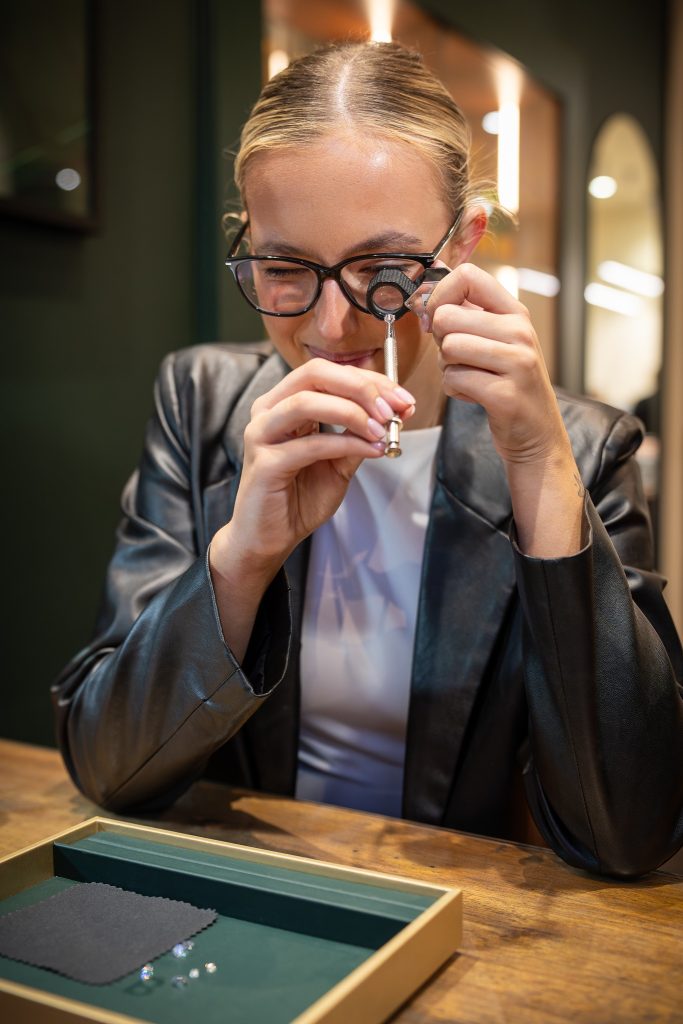
‘Ethical diamond’ is not a single universal certification. In this article, we use the term to discuss factors such as sourcing transparency, conflict controls, labour practices, environmental management and community impacts.
When people refer to an ‘ethical diamond’, they are often considering factors such as:
- Human rights
- Worker safety and employment practices
- Impacts on mining and production communities
- Environmental management practices, including land, water, energy and rehabilitation measures where relevant
- The availability of clear information and documentation about the supply chain
Parts of the diamond industry have introduced initiatives intended to improve accountability and traceability, including government certification requirements, supplier due-diligence programs and industry standards.
Is Ethical Sourcing Always Straightforward?
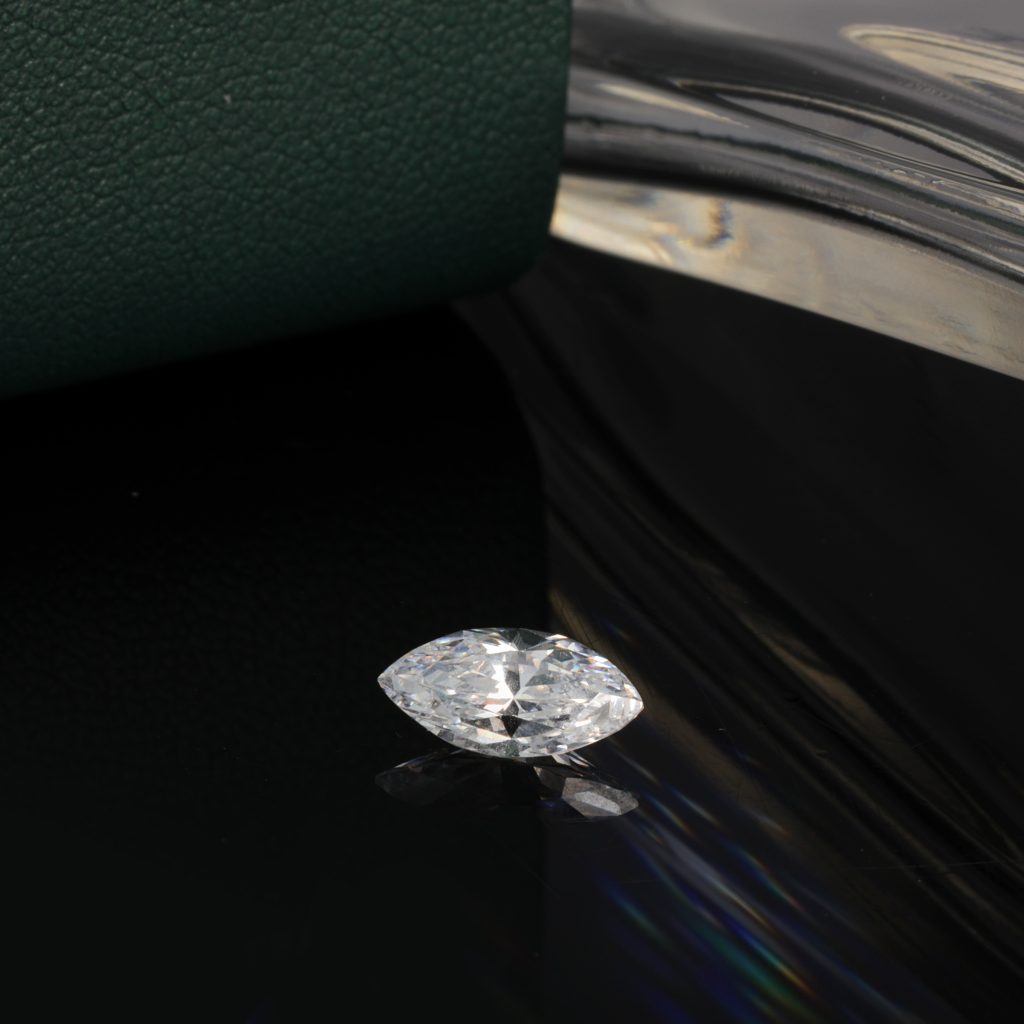
When discussing ethical jewellery, many consumers understandably focus on whether a diamond is natural or lab-grown.
Ethical jewellery is not defined by whether a diamond is natural or lab-grown. It is defined by transparency, accountability and responsible sourcing.
Consumers are often surprised to learn that ethical sourcing involves a range of environmental, social and governance considerations. Whether a diamond is natural or lab-grown is only one part of a much broader conversation and ethical sourcing is often more complex than a single label.
Questions consumers may wish to consider include:
- How transparent is the supply chain?
- What standards govern the production process?
- How are workers treated?
- What environmental initiatives are in place?
- How are local communities impacted?
- What information can be independently verified?
At Bell & Brunt, we encourage consumers to look beyond marketing claims and seek clear information about how any diamond is sourced and produced. The level of mine-of-origin, country-of-origin and supply-chain information available varies between diamonds and suppliers, and our team can explain what documentation is available for the stone clients are considering.
Ethical Standards in Natural Diamonds:
Understanding Conflict Diamonds
The term “conflict diamond” (sometimes referred to as a blood diamond) emerged during the 1990s when diamonds from certain regions were used to finance armed conflict and civil unrest.
The issue highlighted the need for greater transparency throughout the diamond industry and led to significant international action.
The Kimberley Process
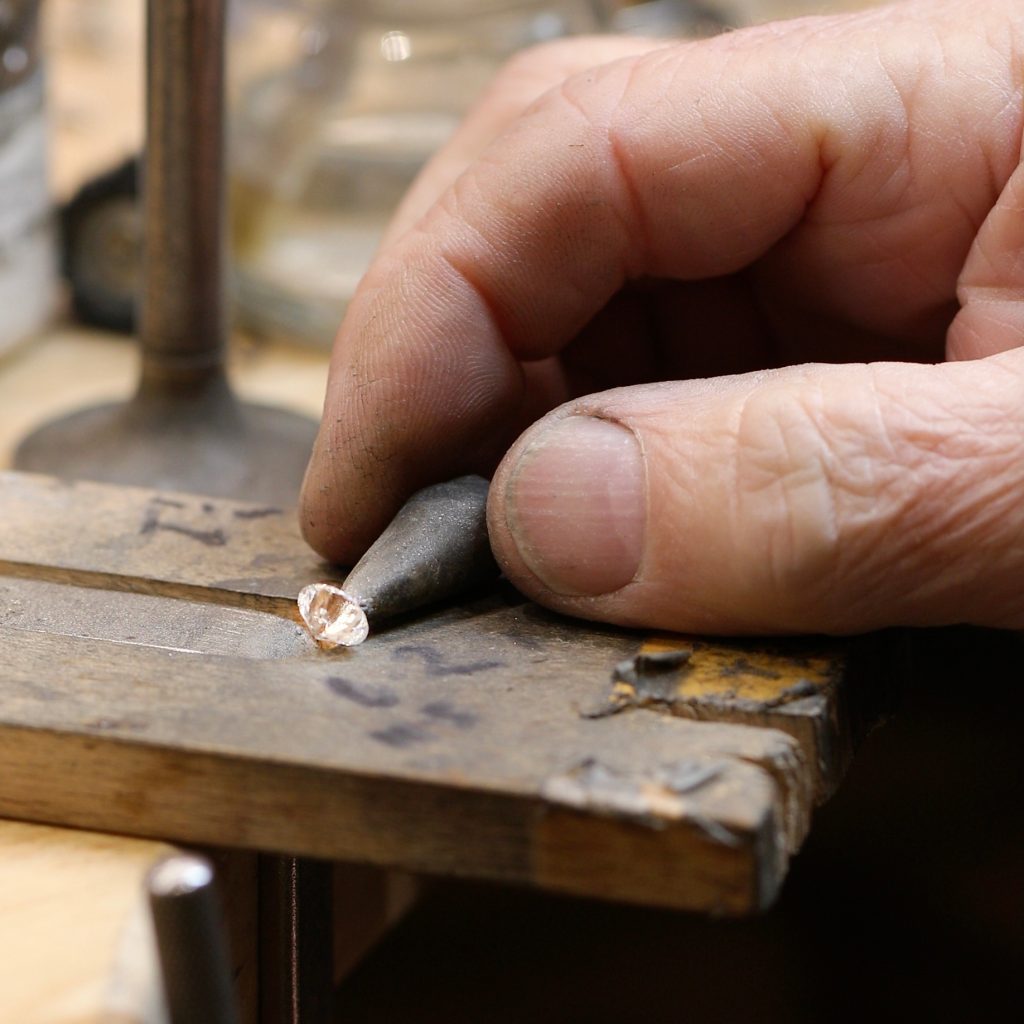
In response, governments, industry bodies and civil society organisations established the Kimberley Process Certification Scheme.
The Kimberley Process was created to help prevent conflict diamonds from entering the legitimate diamond supply chain by requiring participating countries to certify the origin of rough diamonds before export.
Today, It remains an important international framework addressing the trade in conflict rough diamonds, although compliance with the Kimberley Process does not, by itself, verify every ethical, labour, environmental or traceability consideration.
Beyond Compliance
Ethical sourcing extends beyond certification alone.
Some diamond producers report investments in the regions where they operate, including programs relating to:
- Education
- Healthcare
- Infrastructure
- Employment opportunities
- Environmental rehabilitation
- Biodiversity protection
Responsible sourcing may include ongoing due diligence, efforts to improve practices, and measures intended to manage impacts and support local communities.
Environmental Responsibility
Like all industries that rely on natural resources, diamond mining has an environmental impact.
Some diamond producers report using environmental management measures such as land rehabilitation, water-management programs and renewable-energy projects. The nature, scale and independently verified outcomes of these measures vary between producers and locations.
As consumers become more informed, transparency around environmental practices continues to grow in importance.
What Ethical Sourcing Means At Bell & Brunt
At Bell & Brunt, we work with established diamond suppliers and seek information from them about their sourcing and compliance practices.
The Kimberley Process addresses conflict rough diamonds; it does not independently verify every labour, environmental, community or mine-of-origin consideration.
We work with established suppliers who provide assurances that their natural diamonds are sourced through channels operating in accordance with applicable Kimberley Process requirements. Where available, we also consider supplier information relating to responsible business, environmental and social practices.
Our aim is to apply these sourcing principles when selecting the diamonds we offer and to provide clients with clear information about the documentation available for their chosen stone.
Why It Matters
A diamond often marks one of life’s most significant moments.
Whether it celebrates a proposal, an anniversary, a personal achievement or a family milestone, many clients want confidence that their diamond has been sourced responsibly and with care.
Understanding where a diamond comes from helps create confidence in what it represents.
At Bell & Brunt, we believe every piece of jewellery should have a story worth telling.
Speak With Our Diamond Experts
If you would like to learn more about our sourcing standards or how we select the diamonds we use in our jewellery, we invite you to speak with our team.
We’re committed to helping you make an informed decision with confidence.
